

The Power of Pitra Paksha to Heal, Forgive, and Remember
Aum
Dear Beautiful People
Today, let us explore the Vedic concept of Pitra Paksha (literally “the fortnight of the forefathers”). It is a 16-day sacred window to honor our ancestors and heal our lineage. This year, Pitra Paksha began on September 7, 2025 and concludes on Sunday, September 21, 2025.
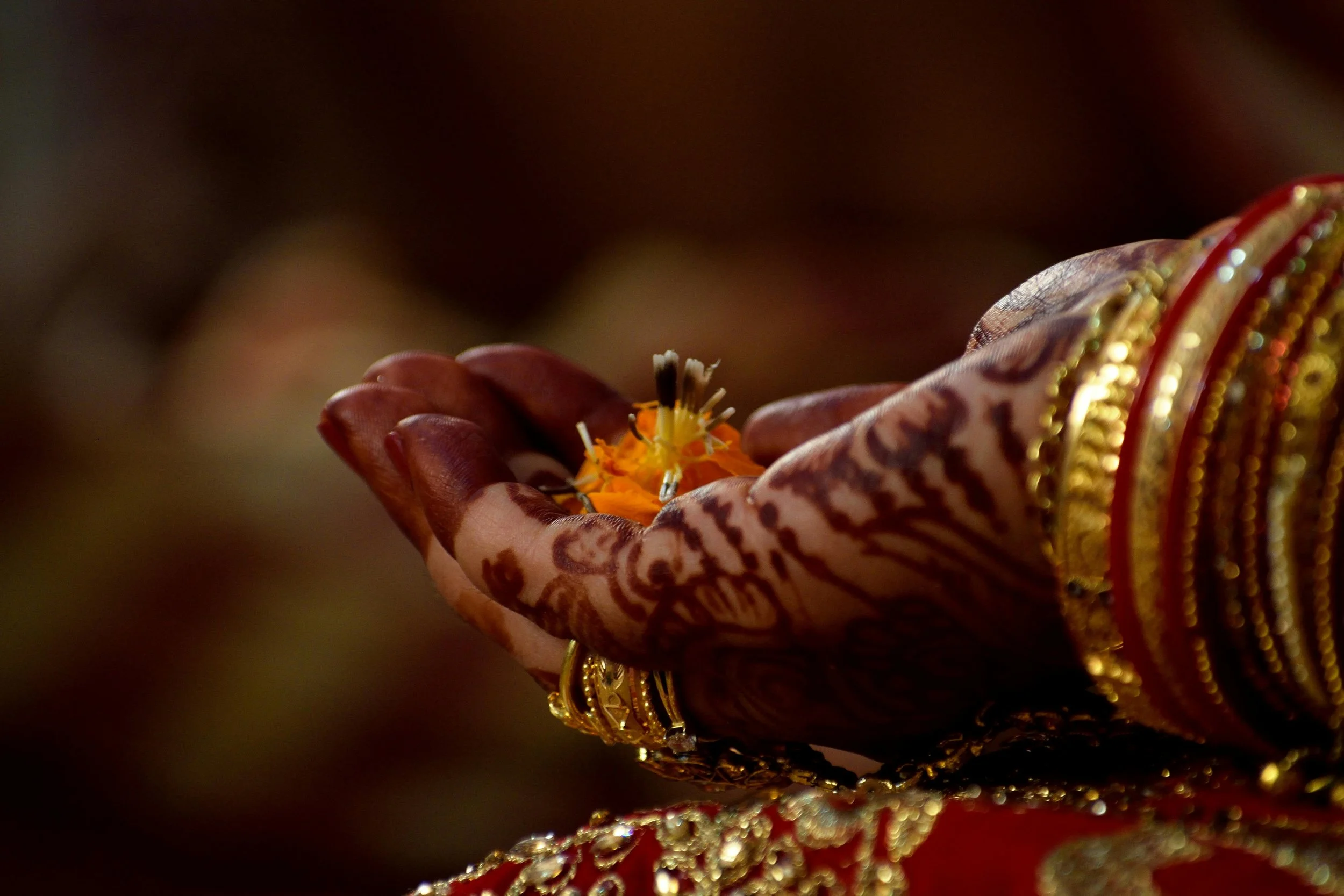
Often misunderstood as a ritual for the dead, Pitra Paksha is in truth a spiritual dialogue between generations - an invitation to express gratitude, resolve intergenerational karma, and strengthen our roots. It is as much about the living as it is about the departed.
Ideally, we are encouraged to remember and honor our ancestors in our daily prayers and failing that, at least during the Pitra Paksha fortnight. And if even that is not possible, then one heartfelt offering on Mahalaya (the final day of the 16 day period) can activate profound healing across lifetimes. A single act of remembrance done with reverence can bless our lives in ways we cannot imagine.
Honoring the dead is not unique to the Vedic lifestyle. It is a sacred instinct found in many cultures across the world, from ancestral altars in East Asia to Día de los Muertos in Latin America, reflecting a universal human longing to stay connected with those who came before us.
Why Pitra Paksha Matters:
In an age obsessed with self-achievement, Pitra Paksha is a sacred reminder that we are not self-made. Behind us walk generations (known and unknown) whose sacrifices, struggles, and strength live through us.
According to Vedic wisdom, our ancestors continue to live in our energy field - in our habits, emotions, wounds, and wisdom. Honoring them softens the ego, heals emotional wounds, and invokes Pitr Kripa (their grace and blessings). This is not superstition but energetic healing encoded in sacred ritual.
Benefits of Observing Pitra Paksha
Healing Ancestral Trauma Every family carries unresolved emotions, patterns, and pain. By consciously remembering our ancestors, especially those who passed away with regrets, suffering, or unfulfilled desires, we acknowledge their unresolved energies. This helps prevent unconscious repetition of their patterns in our own lives.
Forgiveness and Reconciliation Sometimes we hold pain or resentment towards those who have passed. Pitra Paksha offers a ritual space for forgiveness - both giving and receiving.
Strengthening Roots and Identity In a modern world of fragmentation, remembering one’s ancestors brings a sense of continuity, grounding, and belonging. We are not isolated beings. We are part of an ongoing story.
Simple Ways to Observe Pitra Paksha
Offer water, black sesame, and heartfelt prayers to the ancestors for forgiveness for not adequately honoring their contributions and sacrifices for our existence and prosperity.
Light a diya and chant mantras for their onward journey
Reflect: Which emotional or behavioral patterns may not even be yours? And gently resolve to let it go.
Avoid celebrations like weddings, housewarmings, or launches. Let this time be inward, reflective and sacred
A Spiritual Bridge
Pitra Paksha is a time to forgive where there was hurt, give thanks where there was love, and nourish where there was neglect. It is a chance to become conscious bridges between those who came before us and those yet to come. When we remember with love and awareness, we reclaim our inner peace, and we walk forward lighter.
So during the remaining three days of this pitra Paksha, light a lamp, offer water, chant a mantra, or simply sit in silent remembrance. Know that the energetic ripple of your intention heals seven generations behind you and seven ahead.
May our offerings bring peace to all who came before us, light our path, and smoothen the path for those yet to be born.
Wishing you Love and Light
Your Partner in Positive Change,
Nivedita
